The Subcontinent

Rajasthan

The seat of the Pushtimarg. The source of the block-print lineages. The desert that holds the Manganiyar tradition. Rajasthan as defined by the practices that belong here, rather than by a heritage circuit.

What lives here

Nathdwara is the seat of the Pushtimarg, the devotional tradition founded by Vallabhacharya in the fifteenth century. The pichwai paintings made here were painted for a specific temple, by families whose bond with that temple spans four centuries. They are less craft objects than the continuation of a devotional practice.

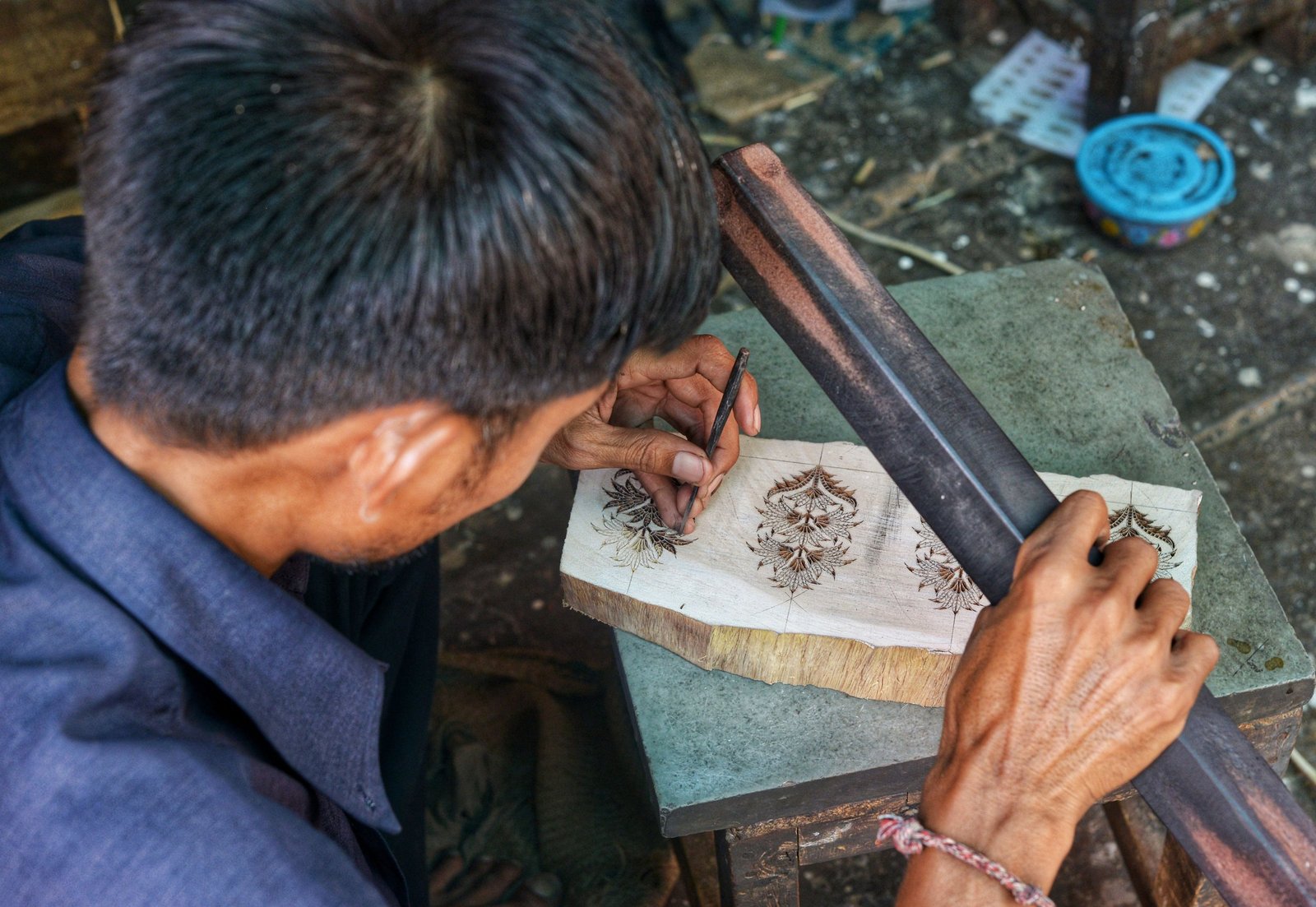
Bagru, a village thirty kilometres from Jaipur, holds a block-printing tradition whose natural dye chemistry is specific to this place. The Chippa community families who practice it use techniques passed father to son, unchanged. The blues, reds, and blacks of Bagru textiles are inseparable from the mineral composition of the local water and the clay used in the resist process.

The Manganiyar are a Muslim community of hereditary musicians whose patrons were the Hindu Rajput courts. Their repertoire spans devotional music, desert ballads, and compositions specific to particular families and occasions, a musical archive that exists only in memory and is performed only by those to whom it has been passed.

Primary Tradition

Craft & Making · Music & Sound

Best Season

October to March

Active Sojourn

Dharatal

Key Places

Nathdwara · Bagru · Jodhpur

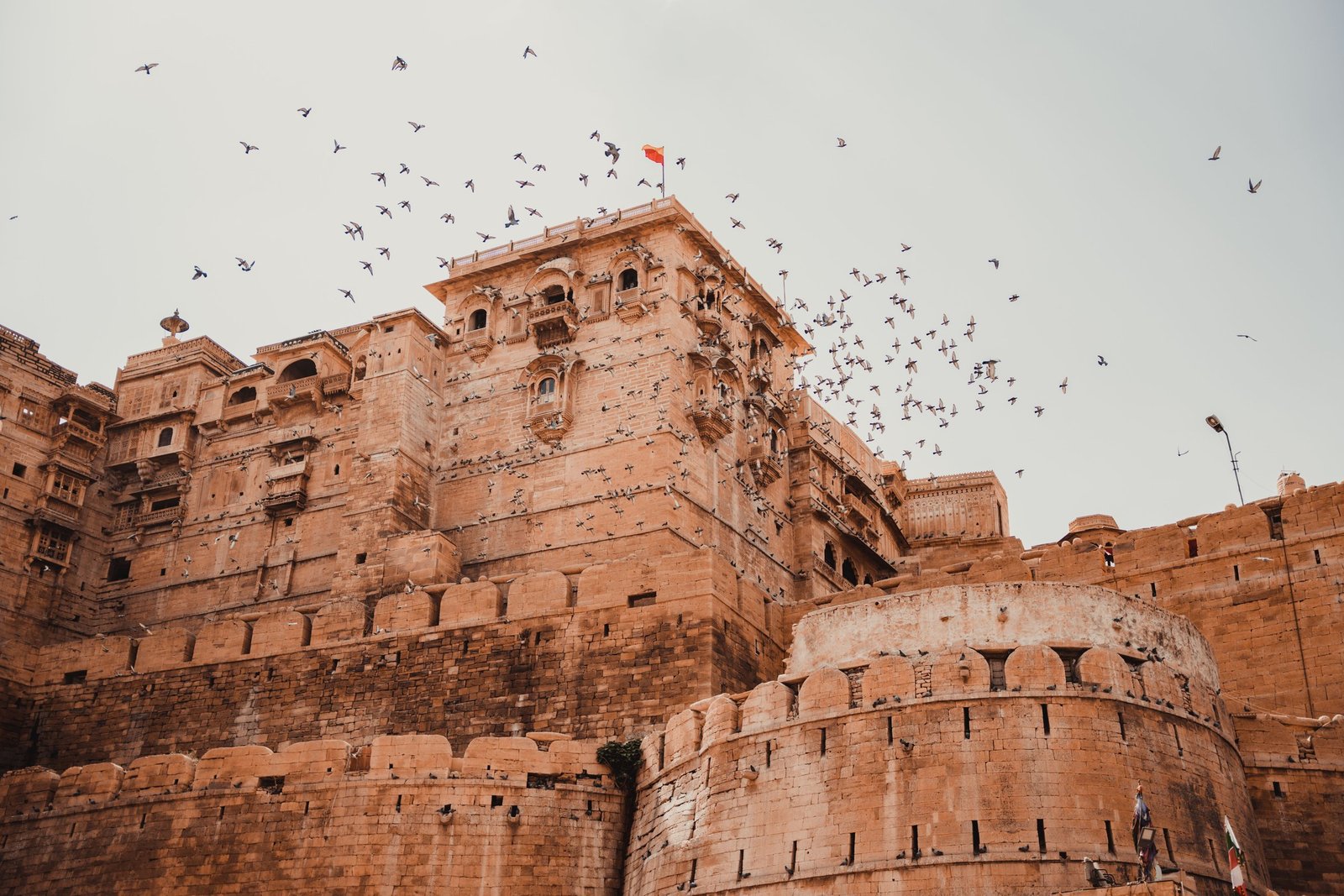
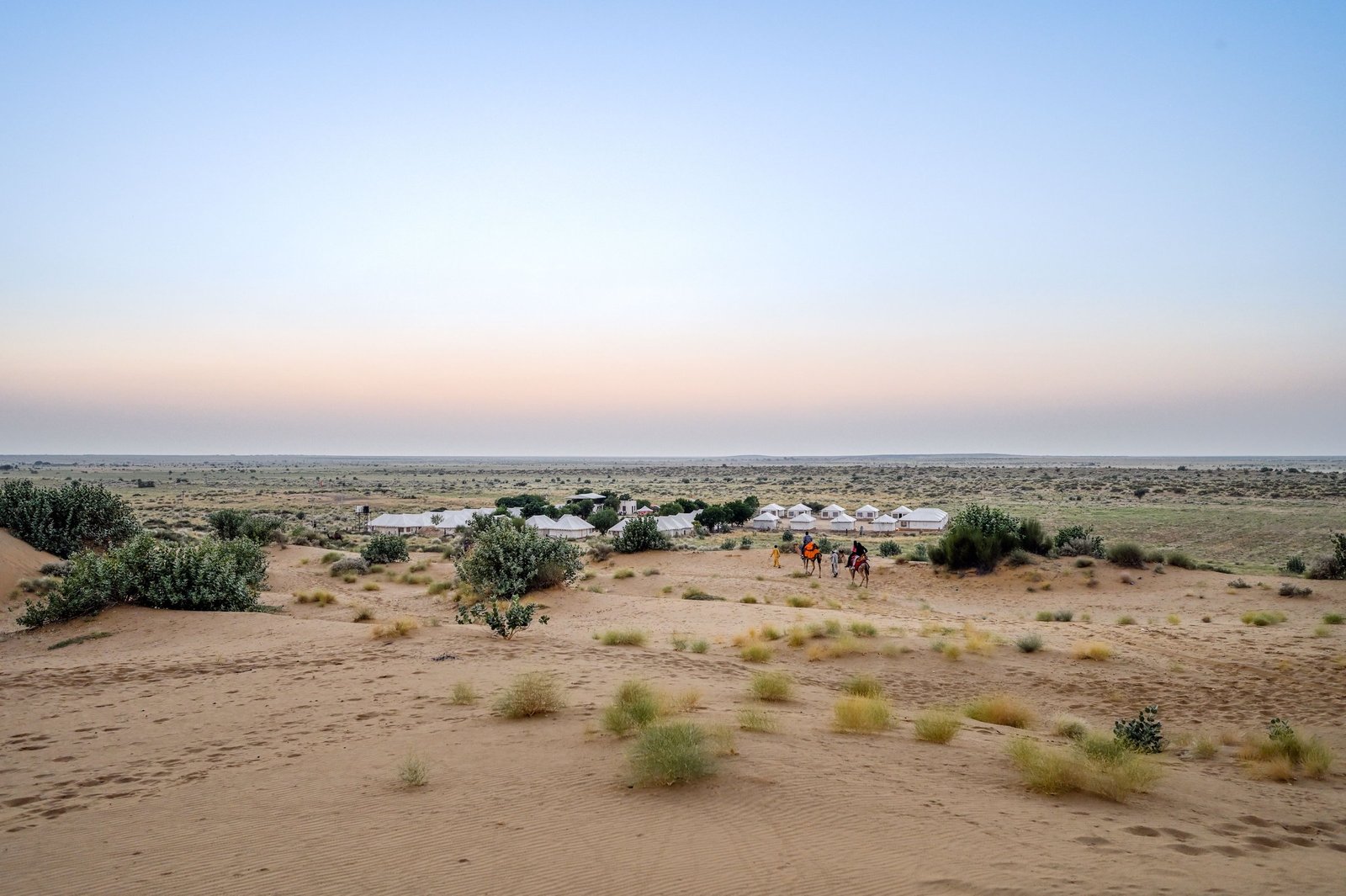
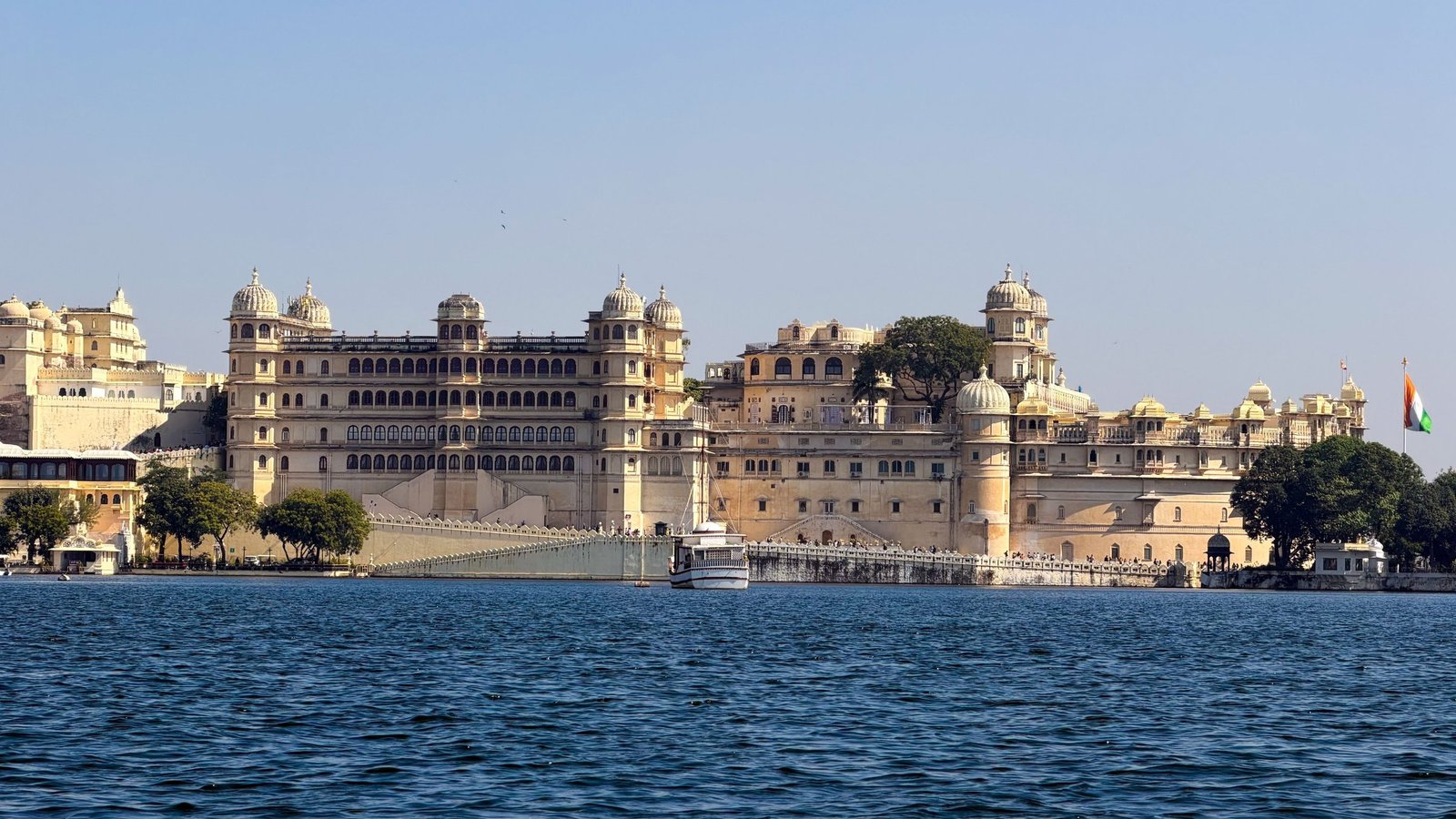
Ochre desert light over a Rajasthan craft landscape

Rajasthan

Dharatal

Craft & MakingAutumn

Enter →

If Rajasthan stays with you, a conversation can begin here.

An Introduction →