Tamil Nadu · The Subcontinent
The Cauvery
Along the river that carries the Carnatic tradition. A winter sojourn into music as it is practiced in the homes, temples, and sabhas where it has always lived.
Tamil Nadu · The Subcontinent
Along the river that carries the Carnatic tradition. A winter sojourn into music as it is practiced in the homes, temples, and sabhas where it has always lived.
The Carnatic tradition is a system of thought, a philosophy of sound, time, and devotion that has developed over six centuries and is held today by perhaps three thousand serious practitioners in the world. The finest of them perform in the sabhas, the music societies, of Chennai, Kumbakonam, and Thanjavur during a season that runs from mid-December to mid-January. This is kutcheri season.
The Cauvery is not a music tour, and it does not put the guest in a concert hall with a brochure. It places them inside the world of the tradition: in the homes of musicians who practice four to six hours before a performance, in the temple contexts the music was made for, and in the sabhas where the season's finest concerts happen, received as guests of families who have attended for generations rather than as tourists.
Carnatic music is transmitted orally, from guru to shishya, in a relationship that typically spans decades. The curriculum, hundreds of compositions organised by raga, tala, and composer, with a body of improvisation that requires complete internalisation of the system, cannot be learned from recordings or texts. It must be heard, repeated, and corrected by a practitioner who holds it.
The lineages that the Cauvery accesses are specific: families connected to the Thanjavur tradition, practitioners of compositions attributed to the Trinity composers (Tyagaraja, Dikshitar, Syama Sastri) and the lesser-known composers whose work has survived only because particular families preserved it. The Custodian has relationships with several such families and with practitioners of instruments, veena, mridangam, nadaswaram, whose lineages are equally specific.
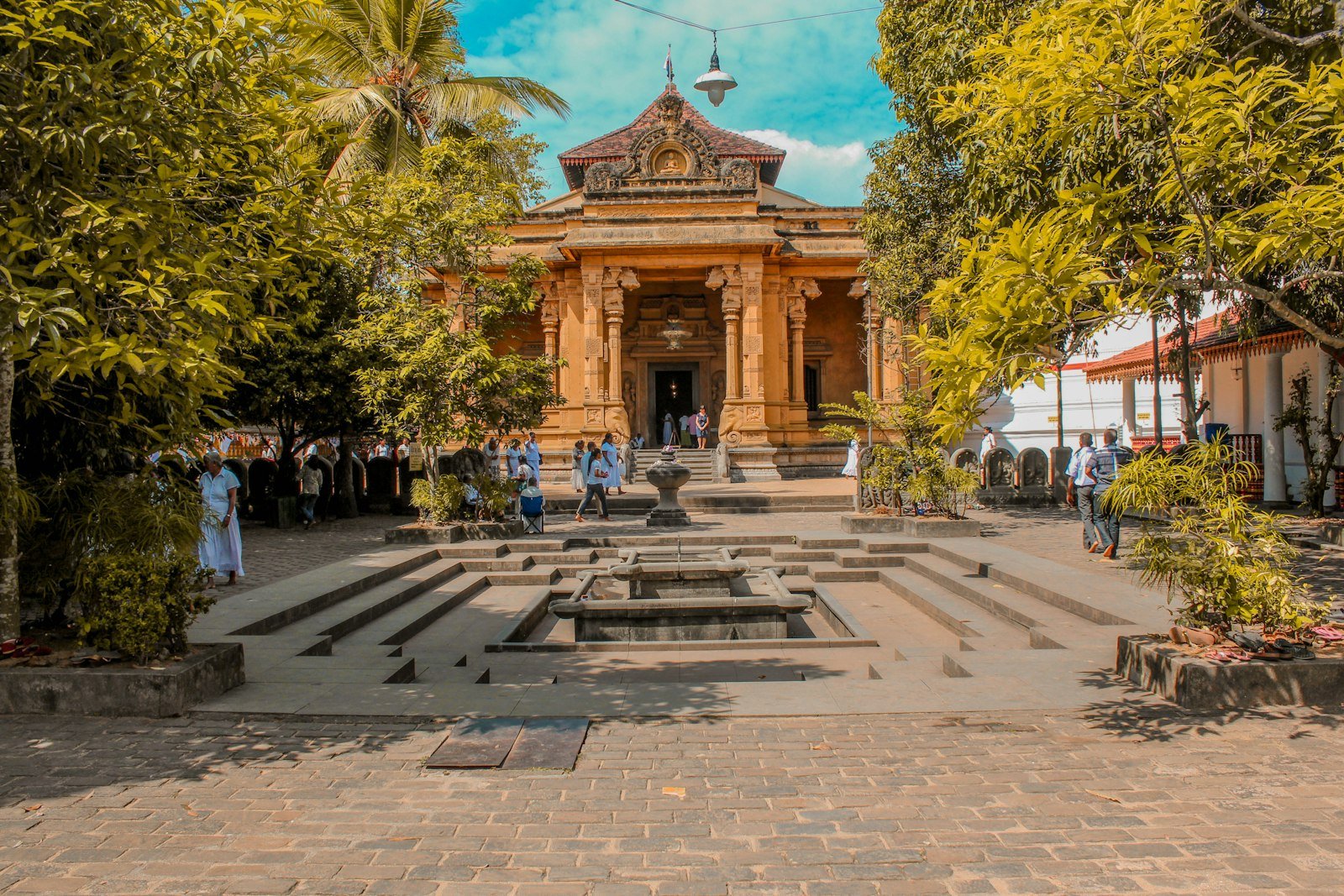
The Cauvery river delta is the geographic heart of Tamil culture and the Carnatic tradition. The great temple complexes, at Thanjavur, Kumbakonam, Chidambaram, and along the river, were the settings in which the music developed. The nadaswaram is a temple instrument: its tuning, its repertoire, its performance practice are all shaped by the acoustic environment of the gopuram gateway. To hear it performed in a temple context is to understand something about the music that no concert hall performance can communicate.
The sojourn begins in Chennai, where the sabha concentration is highest during the season, and moves south along the river to Kumbakonam and Thanjavur, where the instrumental and compositional traditions are densest.
The Cauvery is offered at the Antaranga register. This is not a casual encounter. The access it provides, into the homes of practising musicians, into the private temple performances, into the sabha contexts not open to the general public, asks that the guest has shown a genuine relationship to music, either as a practitioner or as a listener of long standing.
The Custodian determines suitability through An Introduction. The sojourn carries a maximum of two guests. The musicians and families involved are in genuine relationships with the Custodian; the access is extended only when the reception will be appropriate.
The Margazhi month in the Tamil calendar, mid-December to mid-January, is when the Carnatic season reaches its intensity. The sabhas schedule their most significant concerts. Musicians who have been travelling return to perform for their home audiences. The city of Chennai, for these four weeks, is the most concentrated location of Carnatic music performance in the world.
The sojourn does not exist outside this season. To attempt a Cauvery sojourn in March would be to miss the condition that makes the access meaningful. The timing is not convenient. It is the point.
Mornings often begin early, since Carnatic musicians practice at dawn, and the Custodian arranges access to these sessions when the relationship permits. Mid-morning: a temple visit in the Cauvery delta, or a conversation with a practitioner of a secondary tradition (bronze casting, silk weaving, manuscript preservation) that lives in the same cultural ecosystem. Afternoons are slow, the heat requires it, and the music that comes in the evening benefits from a day that has not been over-programmed.
Evenings: the sabha concerts begin at dusk. The guest attends with the Custodian, seated in the family section of the hall, not in the tourist rows. After the concert, if the relationship permits, conversation with the musicians, in the backstage area, or over dinner with their families. No photographs. No autographs. No extraction of the performance from its context.
In Chennai: a private residence in the Mylapore-Adyar area, the heart of the sabha district, within walking distance of the guest concert venues. Not a hotel. The Tamil music world is small and interconnected; where the guest stays matters. In Kumbakonam and Thanjavur: smaller heritage properties chosen for their proximity to the temple complexes and their relationship to the cultural landscape.
The veena player arrived at her family's home at five-thirty in the morning. She had been performing the previous evening until eleven, a three-hour concert that ended with an alapana, an improvisation on a raga, that lasted forty-five minutes and left the audience in silence for a long moment after it ended. She practiced for two hours before breakfast. We sat outside the practice room and listened through the wall. When she emerged, she said: this is how the music is kept. By doing it every day. By not stopping.
The Cauvery opens through An Introduction. The Custodian will consider whether the sojourn is right for you, particularly the Antaranga register, before any proposal is made.
Begin An Introduction